
World Cup 2026 | Group G, Matchday 2
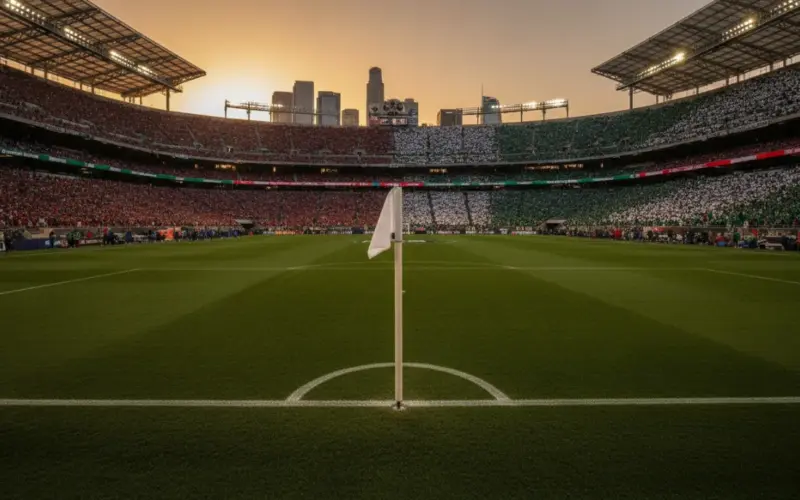
Sunday, June 21, 2026 — 3:00 p.m. ET | SoFi Stadium, Los Angeles
Watch in Canada: CTV, TSN, TSN+ | En français: RDS
The Group G landscape has shifted into a precarious equilibrium following the opening round of fixtures. What began as a contest between clear favorites and hopeful underdogs has dissolved into a four-way deadlock where Belgium, Iran, Egypt, and New Zealand each hold a single point. The separation between these teams is now measured in nothing more than alphabetical listings and microscopic goal differences. This Sunday, the collision between Belgium and Iran at SoFi Stadium stands as the pivotal moment that could shatter this balance or cement the chaos for the final matchday. For Canadian supporters who saw their national team secure a hard-fought result against Mexico in the first round, this encounter deserves a prominent spot on the viewing calendar. The match begins at 3:00 p.m. ET, perfectly positioned within the Sunday afternoon window, offering a tactical duel between two desperate squads that promises high drama.
To understand the gravity of this matchup, one must look at the contrasting narratives that brought these teams to Los Angeles. Belgium’s opening match in Seattle served as a harsh reminder of the dangers of complacency at the pinnacle of international football. Under the guidance of Rudi Garcia, the Red Devils dominated possession against Egypt but found themselves trailing early after Emam Ashour unleashed a spectacular 20-yard strike in the 19th minute. The Belgian side appeared flat and unresponsive until Garcia made the critical decision to introduce Romelu Lukaku in the 66th minute. The impact was immediate; just 22 seconds after entering the pitch, Lukaku’s presence in the box created enough disorder to force Mohamed Hany into a defensive error, resulting in a self-goal following a Thomas Meunier cross. Despite pressing for a winner, Belgium could only manage a 1-1 draw, leaving them with lingering doubts about their finishing efficiency.
Iran’s journey to this point has been defined by resilience under pressure. Operating under the shadow of the ongoing geopolitical tensions between the United States and Iran, the team faced significant logistical hurdles, including the blocking of 11 non-playing officials from entering the country and the forced relocation of their training camp to Mexico due to visa complications. Despite these obstacles, Team Melli arrived at SoFi Stadium with a clear resolve. They fell behind twice to Motherwell forward Elijah Just’s brace but displayed remarkable fortitude to claw their way back. Ramin Rezaeian equalized shortly after the 30-minute mark with a scavenger’s finish, and in the second half, Mohammad Mohebbi headed Rezaeian’s pinpoint cross over the far post to secure a 2-2 draw. This resilience has become the defining characteristic of their campaign, proving they can absorb pressure and strike when opportunities arise.
Comparative Team Analysis
The strategic differences between these two nations are stark and will define the flow of the match. Belgium relies on wide pace and the creative genius of Kevin De Bruyne, while Iran prioritizes a pragmatic, low-to-mid block designed to frustrate opponents and exploit counter-attacking chances. The table below highlights the key tactical distinctions that will play out on the pitch.
| Attribute | Belgium | Iran |
|---|---|---|
| Formation | 4-2-3-1 | 4-3-3 |
| Style | Wide pace, De Bruyne creativity, high-tempo transitions | Pragmatic, low-to-mid block, counter-attacking |
| Focal Point | De Bruyne and Lukaku connection | Taremi and Rezaeian |
| Defense | High-tempo, vulnerable to direct service | Compact, disciplined defensive block |
Kevin De Bruyne remains the central figure for Belgium, and his ability to find pockets between the lines will be the primary determinant of the Red Devils’ success. The 34-year-old Manchester City maestro hit the outside of the post with a free kick against Egypt and generated Belgium’s first shot on target, yet he was largely contained during the first half of that match. Iran is expected to sit deeper and maintain a more compact shape than Egypt did, aiming to cut off the supply lines to Belgium’s front three. If De Bruyne can penetrate the defensive midfield, Belgium will create chances. Conversely, if Iran can press him into wide areas and slow down the passing lanes, they will have a legitimate opportunity to frustrate the Belgian attack, much as they absorbed pressure from New Zealand before striking on the counter.
The starting role of Lukaku is another critical variable. Following his jaw-dropping 22-second cameo that led to the equalizer against Egypt, the question is no longer whether he starts but how his presence alters Belgium’s shape from the opening whistle. Garcia may have learned the hard way that delaying the introduction of his all-time leading scorer is a luxury that cannot be afforded in a group this tightly contested. Iran’s set-piece threat remains a formidable weapon, as both of their goals against New Zealand came from well-worked deliveries into the box. Rezaeian was involved in every dangerous moment for Team Melli, contributing a goal and an assist, and his crossing from the right flank could exploit a Belgian back line that appeared vulnerable to direct service against Egypt.
The atmosphere in Los Angeles adds another layer of intensity to this fixture. The city is home to one of the largest Iranian diaspora communities in the world, creating a near-home-field environment for Team Melli. The crowd at Iran’s opener against New Zealand exceeded 70,000, generating an electric and politically charged atmosphere. Expect a wall of noise on Sunday that could provide Iran with a significant psychological edge, a factor few other teams at this tournament will enjoy. For Belgium, this match is about more than just Group G; it is a chance to reclaim their status after a humiliating group-stage exit in Qatar 2022. Players like De Bruyne, Lukaku, Thibaut Courtois, and Youri Tielemans are all on the wrong side of 30, and the camp knows this is likely the golden generation’s final ride. A second draw would keep them alive, but a loss to a side that has never advanced past the group stage in seven World Cup appearances would be catastrophic.
For Iran, the calculus is simpler and more liberating. They have nothing to lose. A draw keeps them in the mix for the knockout rounds, while a win would place them on the verge of making history by reaching the Round of 32 for the first time. Every aspect of their tournament so far, from the off-field turmoil and visa battles to the twice-from-behind comeback against New Zealand, suggests a squad that feeds off adversity. Belgium possesses superior squad depth, bigger names, and tactical flexibility to break down a compact defense, but they must show this from the first minute rather than the 66th. Iran will make this uncomfortable, will sit deep, and will look for Rezaeian to deliver from wide areas while riding the energy of a raucous pro-Iran crowd in LA. The match is likely to feature Belgium controlling possession without creating many clear-cut chances in the first half, before Lukaku and De Bruyne combine to break the deadlock after the break. Iran will not go quietly, but Belgium’s bench depth and big-game experience should prevail in the end.
Final score prediction: Belgium 2, Iran 1.
Belgium is expected to take the three points and move into pole position to qualify from Group G. Iran’s hopes will then depend on their final matchday against Egypt, where they will need a result to keep their historic knockout-stage dream alive. The full schedule for Canadian viewers includes Tunisia vs. Japan at 12:00 p.m. ET, Spain vs. Saudi Arabia at 12:00 p.m. ET, Belgium vs. Iran at 3:00 p.m. ET, Uruguay vs. Cabo Verde at 6:00 p.m. ET, and New Zealand vs. Egypt at 9:00 p.m. ET. All matches are available on CTV, TSN, and TSN+, with French-language coverage on RDS.